
Where Partnership Takes Shape

Partnership is in our DNA. Our culture is built on ownership, accountability, and a commitment to doing what is right. We build teams that ask better questions, stay involved, and take responsibility for results. This is what turns everyday work into real partnership.
Values

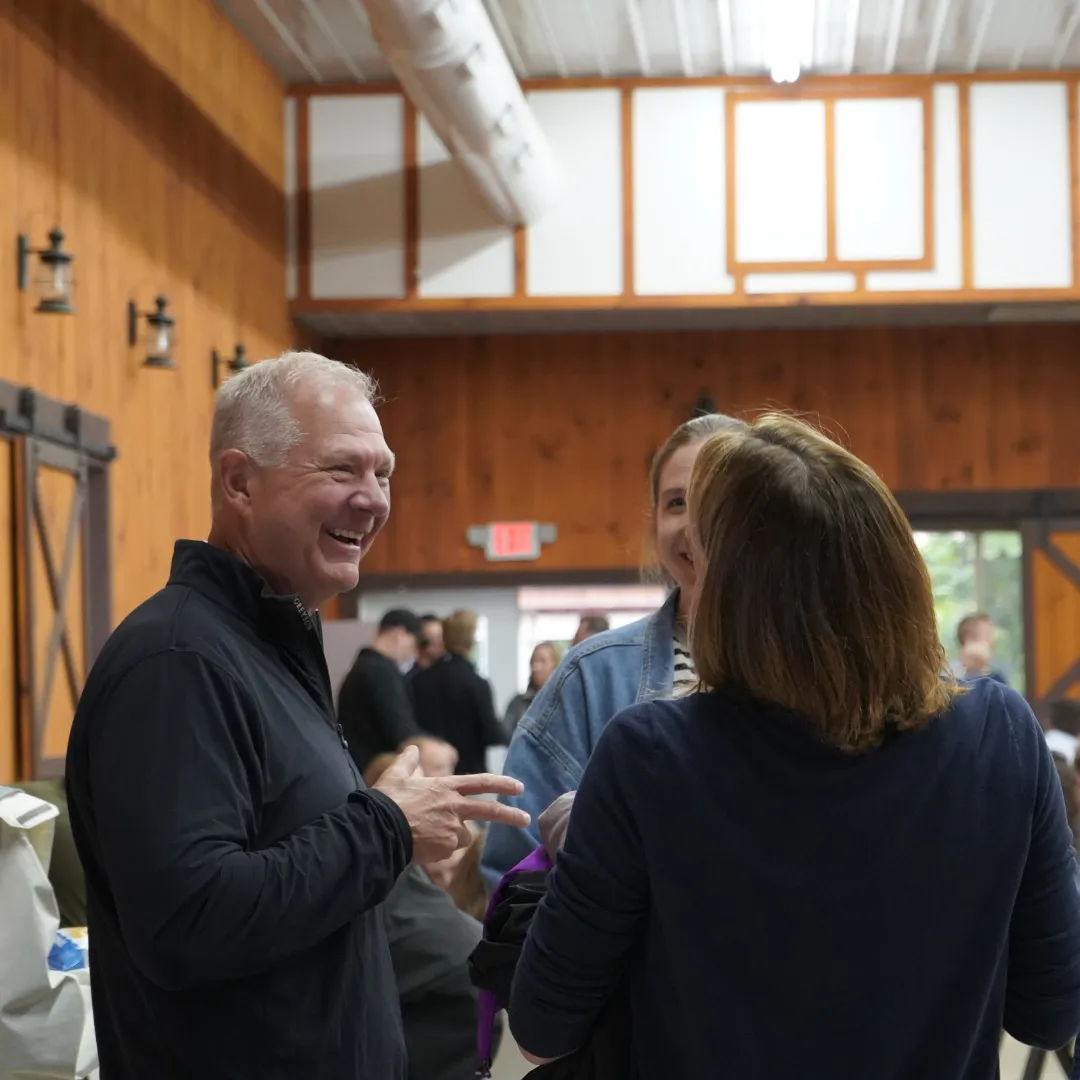
Our values show up in the people who make up our team. We bring together independent thinkers who take ownership of their work, and we value people who ask thoughtful questions and take the time to understand what matters most to the clients they serve. It’s this shared mindset that shapes how we work and strengthens the partnerships we build every day.


“OVD gives me complete peace of mind that my business is in great hands.”
Client Since 2019

Careers

Our agency is built on the relationships, grit, and expertise of the people who show up here every day. We are who we are today because of our team, and we’re looking for independent thinkers who want to make insurance more human and less "standard." If you're ready to join a group that values the person behind the profession, explore our open roles, and find the opportunity that fits you.


OVD was founded to provide a client-centric alternative to the standard insurance model.Today, we continue to scale our reach while maintaining the boutique, partner-focused energy that started it all.

Recent Insights

Healthcare Analytics: Triaging vital data signs

Nearly a decade ago, an article was published with the title,"The world's most valuable resource is no longer oil, but data." That statement feels more relevant than ever now. In healthcare, data can drivebetter outcomes, smarter decisions, and cost savings, but only if we understandwhat it's actually telling us.

Common Construction Site Hazards

Construction is in full swing this time of year and jobsites are getting busier every week. Crews are trying to stay on schedule while multiple different trades work in the same area.

Scaffolding Safety

Scaffolding shows up on almost every job site at some point. It's how crews get to the heights they'd otherwise have no safe way to reach.

When the Renewal Bill Is Too Big for One Company to Carry: A Captive Conversation for HR and Finance

How group captives are giving mid-market employers a third option between fully insured stability and self-funded volatility.

What North Carolina’s Ban on Litigation Funding Means for Trucking Companies

North Carolina has taken a decisive step that could reshape the legal landscape for businesses nationwide. With the passage of House Bill 315, the state became the first in the country to ban third-party litigation investment — a fast-growing practice where outside investors fund lawsuits in exchange for a portion of the outcome.

While this may sound like a niche legal reform, its implications are far-reaching — especially for trucking and transportation companies that have been on the front lines of rising litigation pressure.

Supreme Court Ruling - Freight Brokerages

The U.S. Supreme Court issued a ruling in Montgomery v.Caribe Transport II, LLC that changes the liability landscape for freightbrokers nationwide. Below I’ve outlined the key takeaways and where to focusnext.

OSHA Clarifies Recordkeeping Rules for Injuries Involving Personal Lithium-Ion Batteries

On January 20, 2026, the U.S. Occupational Safety and Health Administration (OSHA) issued a formal interpretation addressing whether injuries caused by personal rechargeable lithium-ion batteries brought into the workplace must be recorded on the OSHA 300 Log. There are several key takeaways listed below:

Toolbox Talks: A Simple Way to Strengthen Safety on Construction Jobsites

Around 90% of companies in the construction industry employ 20 or fewer employees. This can make it very difficult to ensure that employees are receiving the proper safety training, since resources like time and money are often limited. Those tasked with safety compliance usually have other responsibilities, making it hard for them to dedicate the necessary time to safety. However, one easy step that can be taken is the implementation of toolbox talks

How Direct‑to‑Consumer Drug Models Could Impact Employers

The pharmaceutical industry is entering a major transformation driven by two federal pricing reforms: the Inflation Reduction Act (IRA) and new Most Favored Nation (MFN) pricing initiatives signed in 2025. These changes will allow Medicare to negotiate lower prices on many high‑cost medications and tie U.S. drug prices more closely to those in other developed countries. As manufacturers face reduced margins and increasing pressure for price transparency, many are turning to a new strategy: selling medications directly to consumers at cash prices. While this trend is largely aimed at patients, it’s poised to have ripple effects on employer-sponsored health plans.