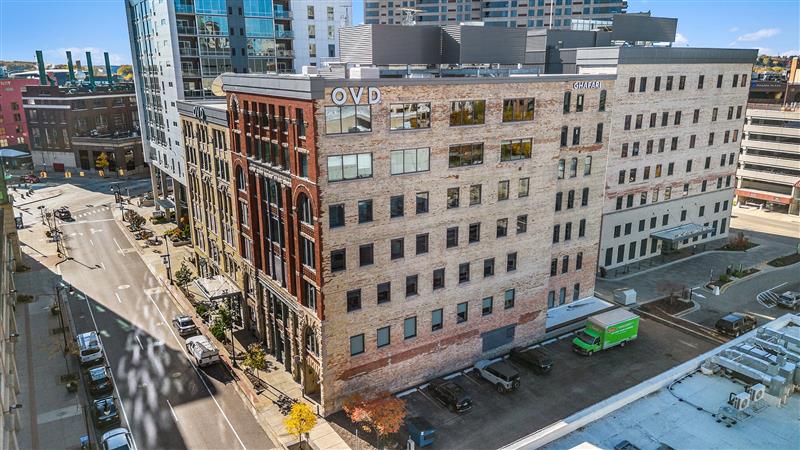
Meet a partner who’s built to scale with you. At OVD Insurance, our expertise and independence allow us to design solutions as unique as the risks you face.
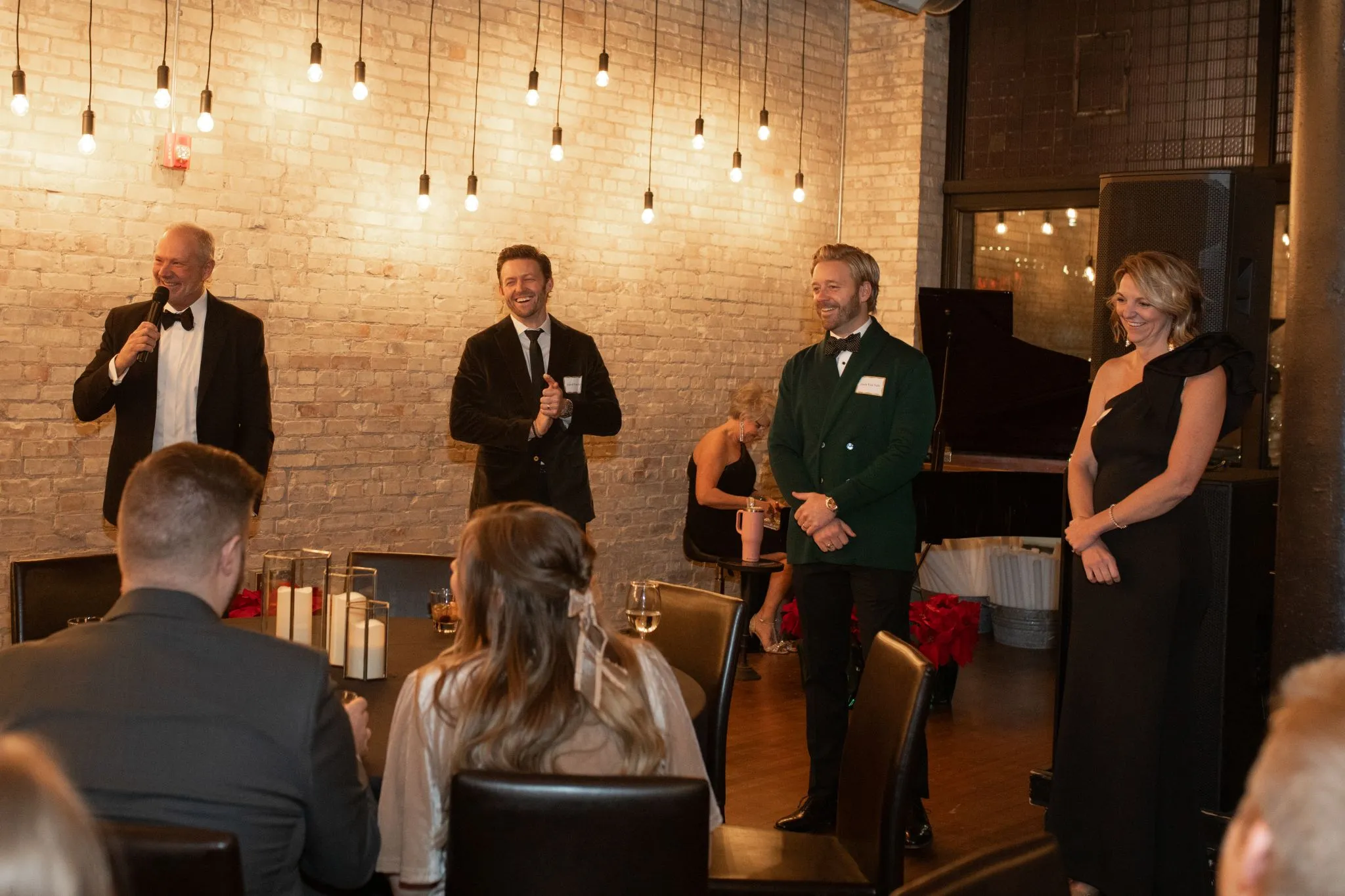

ABOUT OVD
Strategic Partners at Every Stage
We meet you exactly where you stand today so you can prepare for what’s next. As innovative thinkers and expert advisors, we’re the steady partner you can count on for custom strategies that match your pace and protect your progress.
At OVD, we know that standard coverage wasn't built for your reality. That’s why we design services that are sophisticated enough to handle your most complex risks.

Business Insurance
Prepare for the unpredictable with a strategy that’s built to endure.

Employee Benefits
Create a benefits package that works for your team and your bottom line.

Risk Solutions
Eliminate the what-ifs with strategies designed to protect your future.

Personal Insurance
Find peace of mind with curated coverage that honors your values and lifestyle.

Real-Life Resources for Real-World Risk
Discover insights, case studies, and events that help you make smarter decisions about your coverage, your business, and your future.
.webp)
INDUSTRIES SERVED
Made for Your Market
Industry-specific challenges require more than a general perspective. Our teams have spent decades working alongside leaders in Construction, Manufacturing, Healthcare, and more to master the unique realities of their businesses. We’re ready to do the same for yours.
.png)